NDIS pricing for SIL and SDA: how the 2026 arrangements work
The NDIS pricing schedules set the most you can charge and claim for supported independent living and specialist disability accommodation. Here is how those arrangements work, and what to check before you quote or claim.
NDIS pricing for SIL and SDA works through maximum prices. The NDIS pricing schedules set the most a provider can charge and claim for each support. SIL is priced through support items in the main schedule, and SDA is priced in a schedule of its own. Nobody can charge or claim above a limit, as at September 2026 (Pricing arrangements, NDIS).
In short
- SIL is priced through support items in the main NDIS pricing schedule. SDA is priced in its own SDA schedule.
- The 2026-27 maximum prices come from the Minister's pricing determination. Both schedules took effect 24 September 2026, as at September 2026.
- The schedules set what a support may cost. A participant's plan sets how much support is funded.
- The maximum prices apply to NDIA-managed and plan-managed participants.
- A claim above the maximum price cannot be paid, and a provider cannot charge above it.
How NDIS pricing works for SIL and SDA
NDIS pricing for SIL and SDA caps the price of each support. It does not set the amount of support a participant receives.
The NDIS pricing schedules list support item numbers and names, with a national maximum price and separate maximum prices for remote and very remote areas. Your job when you quote is to match the support you are actually delivering to the right item, then price it at or under that item's limit for the region where the support happens.
Two things follow from that, and they are the two things providers most often mix up.
The first is that a price limit is a ceiling, not a rate you are owed. You can charge less. You cannot charge more, and you cannot recover a shortfall by claiming a second item for the same support.
The second is that the amount of SIL or SDA funding in a participant's plan is decided separately, through their plan, not through the pricing schedules. The schedules answer "what may this support cost". The plan answers "how much of this support is funded". A quote that is perfectly priced can still sit outside what the plan holds.
Where the NDIS pricing rules live in 2026
The rules live in the NDIS pricing schedules, on the NDIA's pricing arrangements page. The Minister for Disability and the National Disability Insurance Scheme has made the first pricing determination for NDIS supports, and it sets the maximum prices for the 2026-27 financial year, as at September 2026 (Pricing arrangements, NDIS).
Two downloads on that page matter for this topic, both effective 24 September 2026:
- the NDIS pricing schedule, which covers NDIS supports generally, including the items used for SIL;
- the NDIS pricing schedule for SDA, which is the SDA document.
The older NDIS pricing arrangements and price limits for 2025-26 is still on the same page, and the NDIA says updated pricing and claiming guidance documents will be published shortly, as at September 2026. So when a team member sends you a price they found in a PDF, the first question is which document it came from and when that document took effect. Keep one saved copy per financial year and date it, rather than letting several versions float around a shared drive.
SIL: what the price limits control
SIL price limits control the price of the support work, not the roster. Each SIL support item carries a maximum price, and remote and very remote areas have their own maximum prices.
The NDIA also publishes a disability support worker cost model, effective 1 July 2026, which estimates the cost of delivering a billable hour of support, as at September 2026 (Pricing arrangements, NDIS). It is not a price you charge. It is useful for a different question: whether the price you can charge for an hour covers what that hour actually costs you to roster, once leave, supervision and travel are counted.
That is the number most SIL providers should be watching. The price limit is fixed for you. Your cost per billable hour is the part you influence.
How SIL funding is worked out in a participant's plan
SIL funding in a plan is worked out from the participant's own support needs and living situation. The pricing schedules do not decide it.
That decision sits with the participant's plan, and it depends on the support they need in the home they live in and who they live with. Your quote therefore has to do two jobs at once. It has to sit at or under the price limit for each item, and it has to fit the funding the plan holds for the period.
If the plan does not hold enough for the roster you have proposed, the answer is a conversation about the plan or the roster, not a higher price. For background on how these supports show up in provider reporting, see our NDIS page and our post on what changed in NDIS reporting in 2026.
SDA: a separate schedule, and the participant's contribution
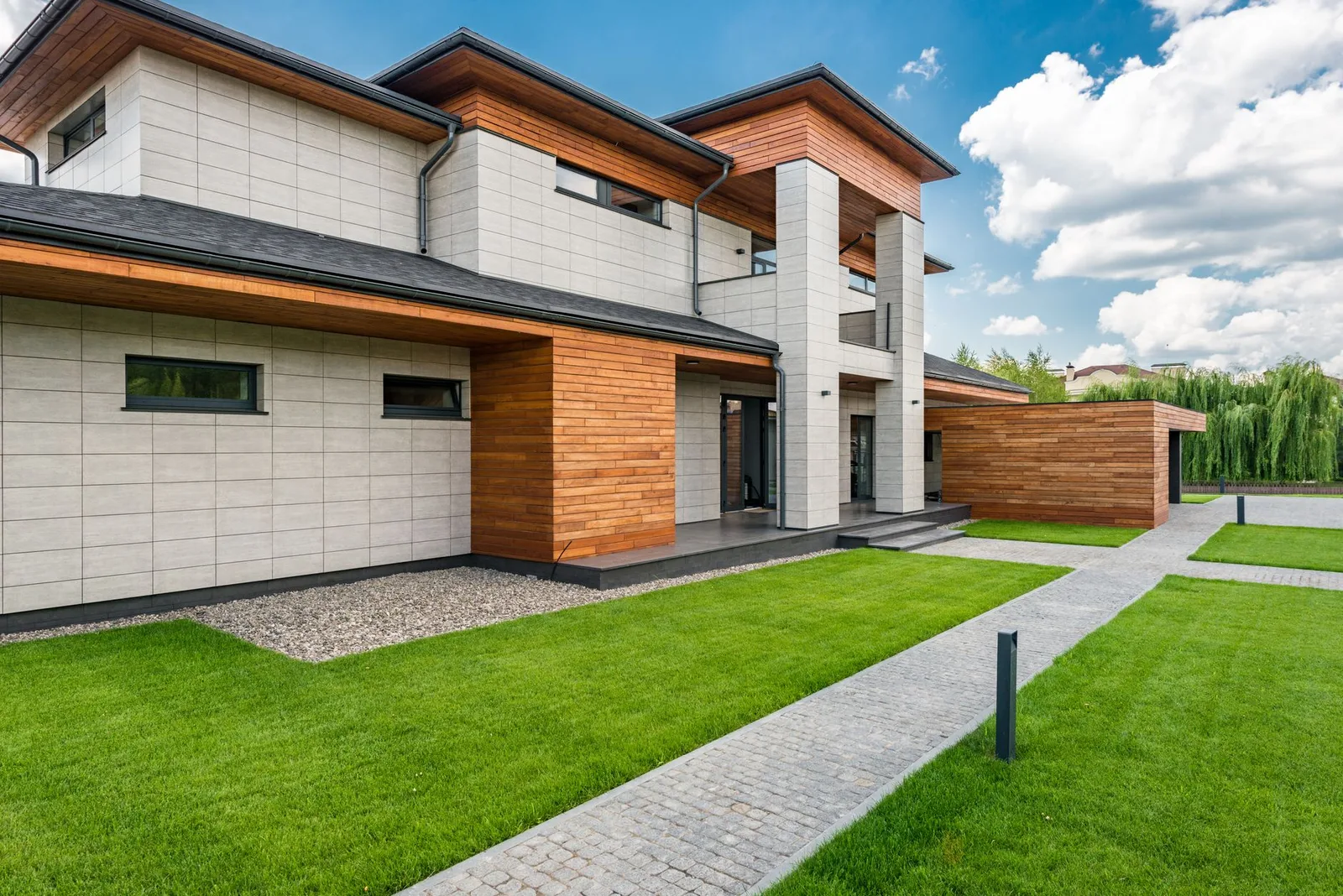
SDA has its own pricing schedule, and it pays for the home rather than for support hours. The NDIS pricing schedule for SDA sets out the maximum prices that apply to SDA, effective 24 September 2026, as at September 2026 (Pricing arrangements, NDIS).
SDA is also the part where the participant pays something themselves. The participant makes a reasonable rent contribution to the SDA provider out of their own income, and the NDIS pays the rest of the SDA price. How that contribution is worked out is set by the NDIA in its SDA pricing material, so take the amount that applies from the current SDA pricing schedule rather than from a summary written last year.
If you run both SIL and SDA in the same house, keep the two apart in your records. They are different schedules and different claims, and in the SDA case part of the money does not come from the NDIS at all.
Who the NDIS price limits apply to
The maximum prices apply to NDIA-managed and plan-managed participants, as at September 2026 (Pricing arrangements, NDIS).
For those participants, the schedules are clear on three points: the NDIA cannot pay a claim for more than the maximum price limit, a provider cannot charge more than the maximum price limit, and a participant is not entitled to a payment above the maximum price.
Treat that as a claiming control, not a piece of trivia. A quote written above a limit will not survive the claim, and the shortfall lands on you.
What to check before you quote or claim
Six checks settle most SIL and SDA pricing errors before they reach a claim. Run them before a new agreement is signed.
- Which schedule and which version you are pricing from, and the date it took effect.
- The exact support item number, not just the item name.
- Whether the national, remote or very remote maximum price applies to where the support is delivered.
- How the participant's plan is managed, because that changes whether the price limits bind.
- For SDA, what the participant's own contribution is, and how it is invoiced and recorded.
- Who in your organisation checks a quote against the current schedule before it goes out, and how often they refresh their copy.
Common questions
What is the difference between SIL and SDA funding?
SIL funding pays for support work in a shared home, and SDA funding pays for the home itself. SIL is claimed through support items in the main NDIS pricing schedule, while SDA has its own pricing schedule. A participant can be funded for one, the other, or both.
What are the NDIS SDA price limits?
The NDIS SDA price limits are the maximum prices in the NDIS pricing schedule for SDA, effective 24 September 2026, as at September 2026. They are set per SDA support item, so the amount for a specific dwelling has to be read from the current schedule rather than quoted from memory.
How much can a provider charge for supported independent living?
A provider can charge up to the maximum price for the SIL support item being delivered, and no more. The exact amount depends on the item and on whether the national, remote or very remote price applies, so check the current NDIS pricing schedule for the item you are claiming.
Who pays the reasonable rent contribution for SDA?
The participant pays the reasonable rent contribution to their SDA provider from their own income, and the NDIS pays the rest of the SDA price. Take the amount and the method from the current SDA pricing material, because the NDIA sets it and it can change.
Do SIL and SDA price limits apply to plan-managed participants?
Yes. The maximum prices in the NDIS pricing schedules apply to both NDIA-managed and plan-managed participants, as at September 2026. A plan manager has no authority to pay above a limit, so a quote above one will be rejected.
If you want a plainer walk through of how these rules land on a provider's reporting, our frequently asked questions page covers what providers ask most.
Sources
- Pricing arrangements, NDIS, as at September 2026
- Pricing and payments, NDIS, as at September 2026